Plastic Recycling UK & Europe

plastic recycling uk - plastic energy uk P1

Transforming waste into real value

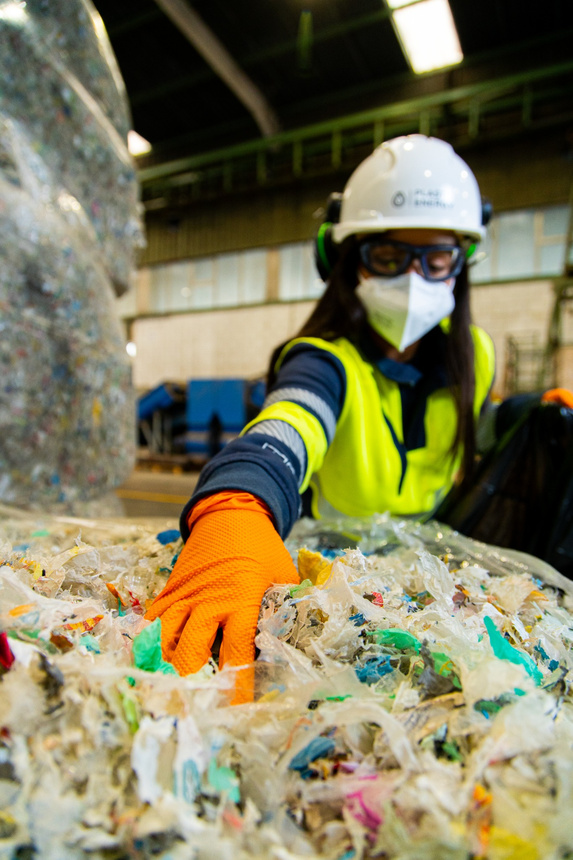
As the industry shifts from a linear to a circular model, Plastic Energy is helping to meet the demand for recycled materials, particularly the use of recycled plastics for food-grade packaging products.

Plastics remain an indispensable material due to their functionality and design flexibility. Recent studies have demonstrated that using plastics for packaging, consumer goods, and automobiles results in lower life cycle greenhouse gas emissions compared to alternative materials. While plastic is a useful resource, the problem lies in how it is disposed of after use.

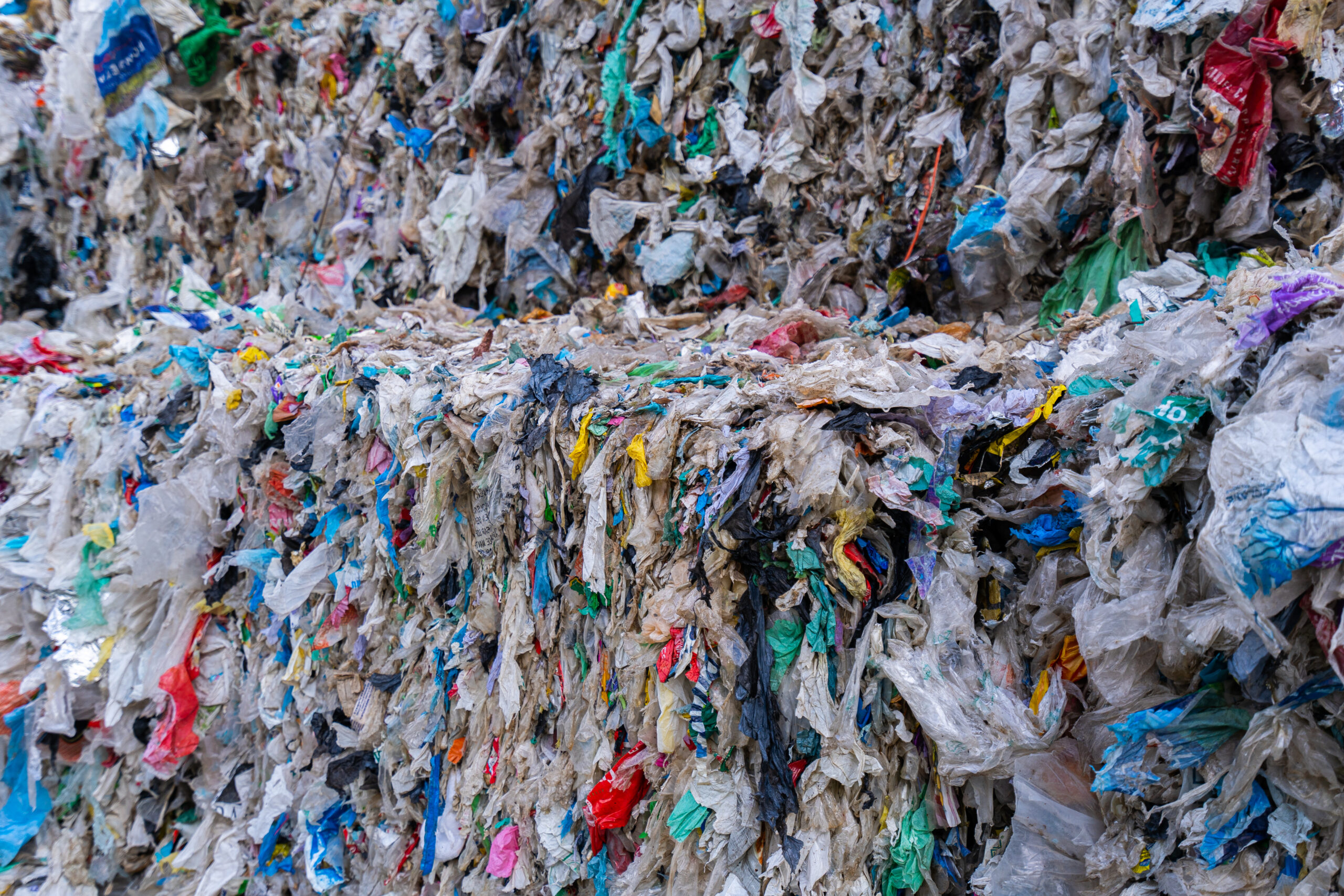
Polymer demand across the globe is projected to double or triple by 2050, posing a challenge for the waste management industry and the plastic sector’s carbon budget. Currently, less than 10% of all plastic waste produced is recycled, with the majority going to landfill and incineration. In the face of growing polymer demand, there is an urgent need for UK plastic recycling companies to contribute to decarbonising the plastics industry by transitioning to circular and renewable feedstocks over virgin fossil fuels.

Chemical plastic recycling provides a viable solution to this problem with its dual ability to recycle mixed and contaminated polyolefins, which are difficult to recycle through mechanical means, and produce recycled plastic content for contact-sensitive applications, another limitation of mechanical recycling.

For over a decade, Plastic Energy has been driving innovation in plastic recycling through our cutting-edge technology that can transform post-consumer plastic waste into a feedstock, called TACOIL™, which replaces fossil oils in the production of new plastics.

Our Technologies

Our patented plastic recycling technology helps build a circular plastic economy by complementing traditional mechanical recycling efforts.

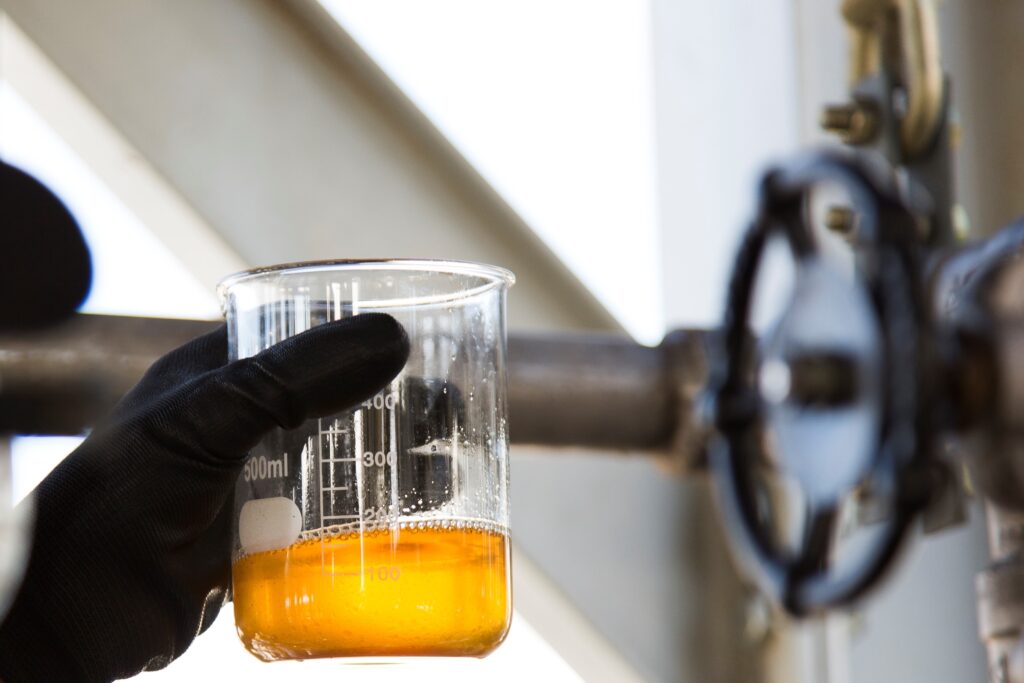
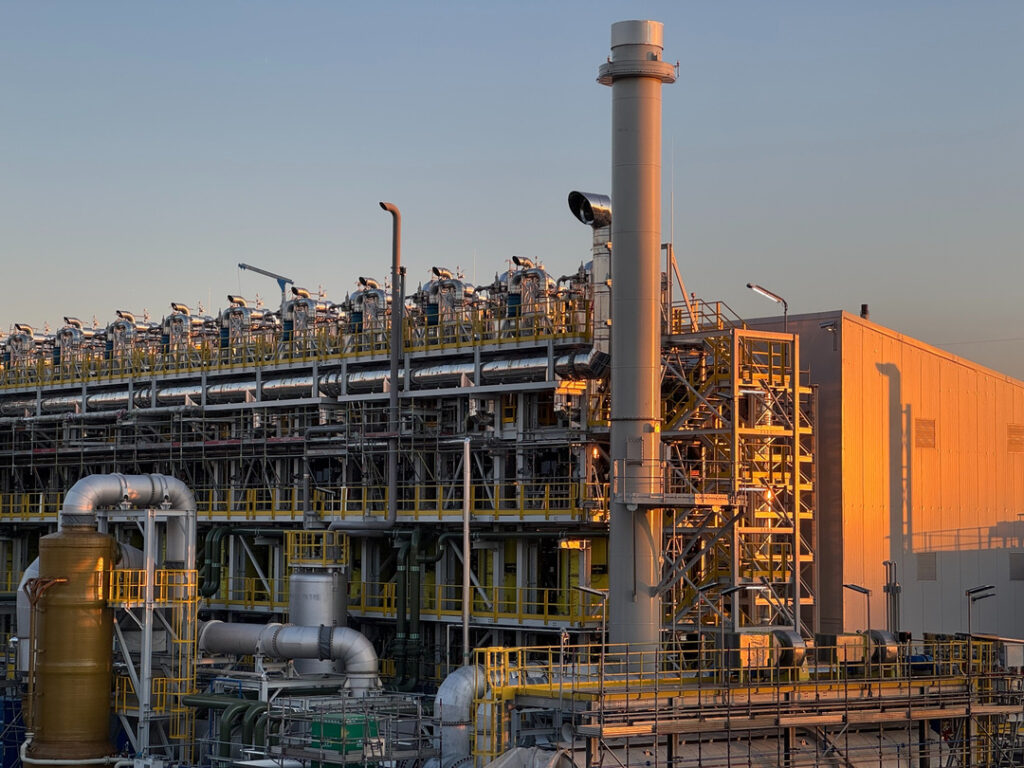
With our patented TAC™ process, plastics are heated in the absence of oxygen to form hydrocarbon vapours. These vapours are then condensed into a recycled oil, called TACOIL™.

1. Hot Melt Pump
The plastic is heated until it becomes a plastic melt, and is pumped to the reactors.

2. Reactor
The plastic melt is further heated (in the absence of oxygen) and changes from liquid to vapour. A small portion of solids are extracted as char.

3. Contactor
The vaporised molecular chains are selected and act as a filter.

4. Condensation
Condensed vapours are refined through a series of separators and filtration steps, creating a synthetic oil which is a feedstock for new plastics. The synthetic gas is used to heat the reactors.

5. Recycled Oils: TACOIL™
The synthetic output, called TACOIL™, is stored for sale to our petrochemical partners.

A breakthrough in circular materials

Future Improvements and Efficiencies

Our Life Cycle Assessments (LCAs) have consistently demonstrated that the chemical recycling of mixed plastic waste (MPW) has a lower climate change impact compared to the current status quo of waste-to-energy in Europe. This LCA has enabled us to see the opportunities for decarbonisation of our process and operations.

We have made progress both in increasing our plastic recycling rate by valorising our syngas and char into valuable products, and in exploring the feasibility of electrifying the source of heat to our reactors. These improvements will further improve our LCA results.

We are also keenly aware of our water footprint, and our team of process engineers have been developing a wastewater optimisation system which would achieve ‘zero liquid discharge’ at our plants. Implementing this option would allow wastewater to be treated and reused efficiently within the plant. The water used throughout our process varies greatly 
 in its composition which had made it challenging to find a viable solution, but we have been working with external partners to develop a flow scheme which is adaptable enough to handle these changes in a cost-efficient way.

TACFILLER™

As part of our TAC™ process, we recover a small amount of by-products from the waste plastic. We have used these by-products to create a mixed mineral and carbonaceous product called TACFILLER.

It is now commercially available to rubber companies as a lightweight reinforcing filler for their products. Our tests have demonstrated it can act as a substitute for a portion of carbon black in rubber compounds.


TACFILLER creates a unique opportunity for rubber manufacturers to replace carbon black – with a recycled material.

Digital Technologies


We have developed extensive operational know-how from our commercial plants in Spain which have been operating for a decade.This has also materialised in the development of a smart Advanced Control System (ACS) by our in-house team of automation engineers which provides a host of data analytics and automation features to facilitate operation of our TAC™ plants.

As part of its key features, the ACS can provide real-time plant activity insights and the ability to track waste plastic feedstock as it undergoes the TAC™ process to provide additional traceability for our TACOIL™ product.

plastic recycling uk - plastic energy uk P7
plastic recycling uk - plastic energy uk P8

Join the circular shift

See how TACFILLER can work within your operations 
and supply chain

Contact Us

Our Partnerships

Plastic Energy has commercialized char, a by-product of its TAC™ process, creating TACFILLER—a material that performs in real industrial applications. This is the first time in the industry that this by-product has been turned into a commercial product with genuine market value.

Industry Partnerships

We are active members of several UK and European industry associations where we advocate for policies supportive of plastic recycling and chemical recycling, including Cleantech for Europe, British Plastic Federation, and Chemical Recycling Europe.

Technical Partnerships

Our R&D teams are involved with academic institutes and research projects to share and develop plastic recycling UK technology knowledge and know-how:

Loughborough University

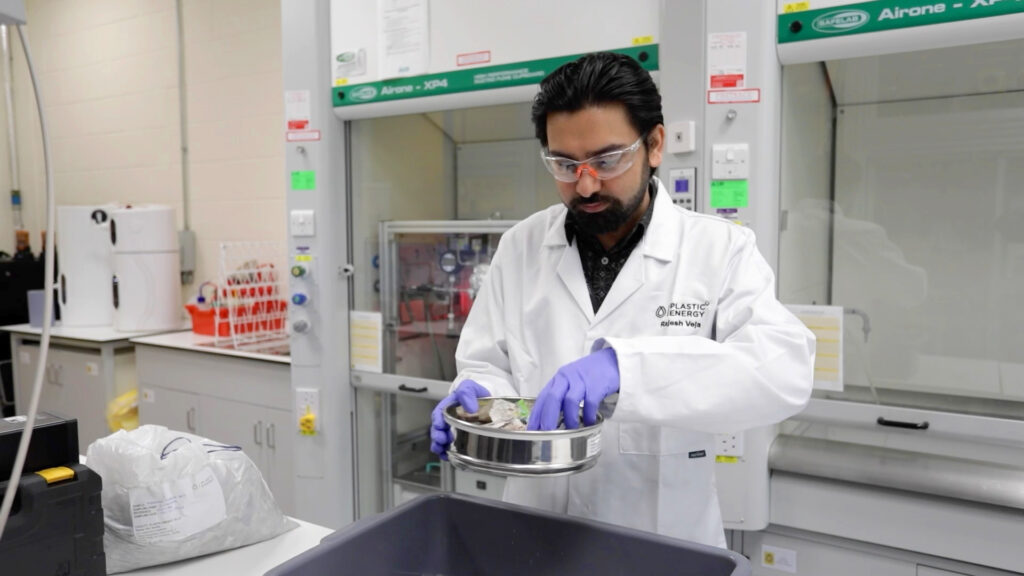
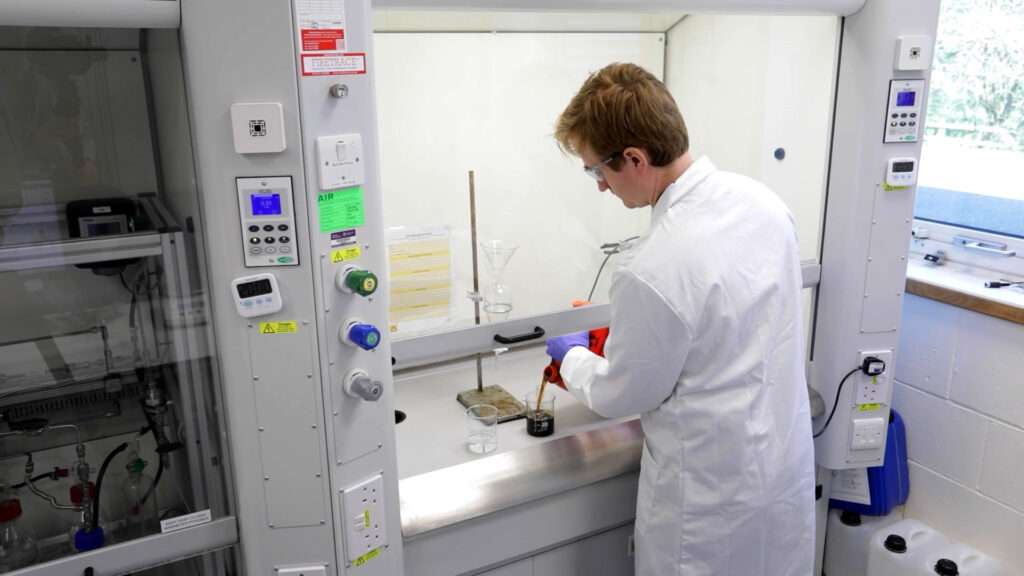
For over 10 years, Plastic Energy has held a long-standing partnership with Loughborough University. Plastic Energy operates state-of-the-art independent labs at Loughborough University Science and Enterprise Park (LUSEP). This is where our research and development (R&D) team develops solutions for optimising our process in line with our overarching decarbonisation goals. Since 2023, our Loughborough site houses our pilot plant where our research scientists are able to perform pilot-stage trial operations in a fully automated and enclosed system.

plastic recycling uk - plastic energy uk P9
plastic recycling uk - plastic energy uk P10
plastic recycling uk - plastic energy uk P11

Future of Plastic Recycling UK & Europe

Future of Plastic Recycling

In parallel, our technology development roadmap comprises developments which target the improvement of economic returns as well as a reduction in carbon emissions.

We welcome the adoption of the fuel-use excluded mass balance approach to accounting for recycled content for PET bottles, as well as other key policy details within the PPWR. Other EU policy packages such as the Clean Industrial Deal and the Circular Economy Act expected in 2026 will also likely provide further support for recycling and innovative clean technologies.

We are also encouraged by progress in other parts of the world – including moves towards recycled content requirements in India and Japan, and the proliferation of Extended Producer Responsibility (EPR) schemes. We hope for continued policy measures that will accelerate progress in both of these areas on a global level.

The key milestones for Plastic Energy in the coming 12 months will be our JV plants, SPEAR and TEPEAR, moving into full commercial production. Taking these plants to stable operations will mark an important milestone for the whole industry.

In addition, through our technology roadmap, we continue to focus on the improvement and optimisation of our technology, targeting a higher recycling rate, greater throughput, as well as reduced environmental impact.

The chemical recycling industry is poised for a significant upswing as we approach 2030, when mandatory targets within the PPWR kick in. As a first mover in the industry, Plastic Energy is well-positioned to scale up our technology deployment in order to meet the increase in demand for circular plastics and tackle plastic waste.